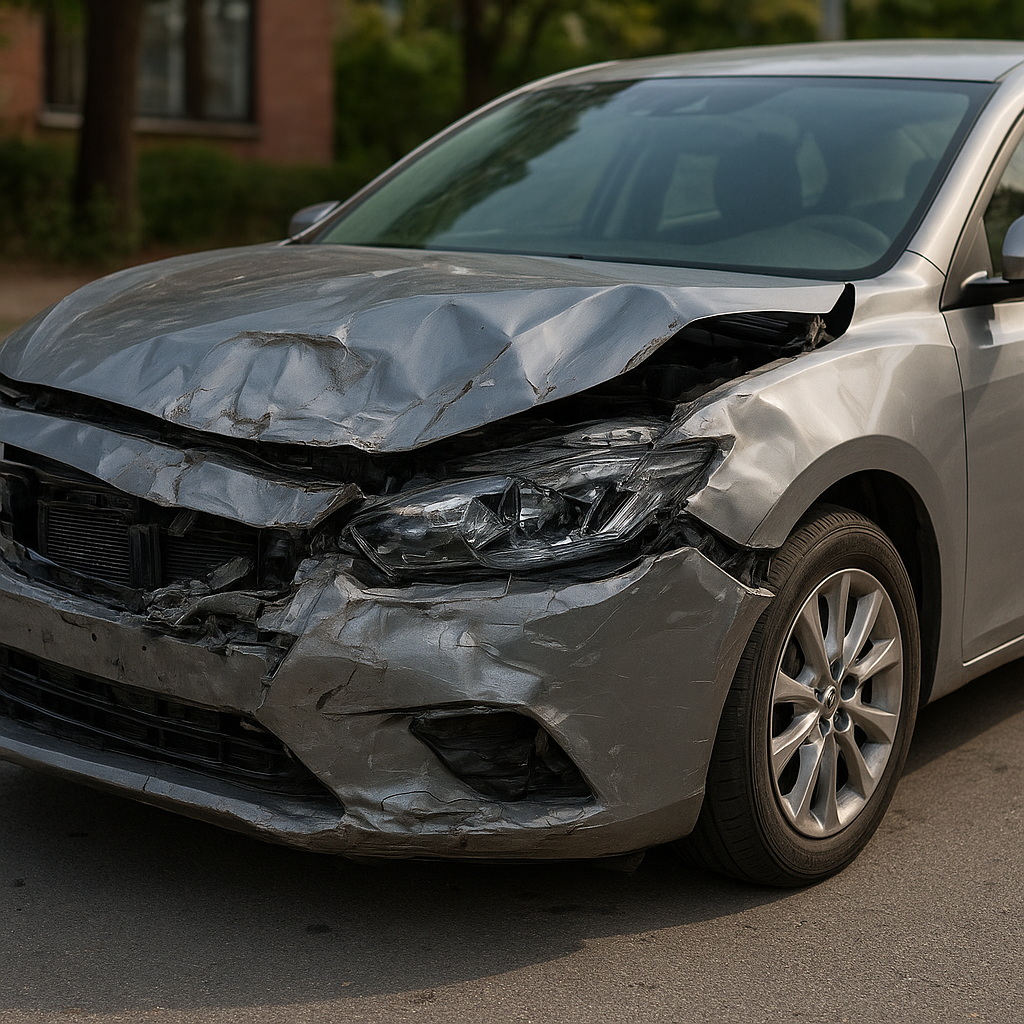
Someone Crashed Into My Parked Car: Navigating The Modern Aftermath
I have logged over two hundred thousand miles on American highways, and nothing ruins a Tuesday quite like walking out to your driveway to find dented fenders. When someone crashed into my parked car last season, I quickly realized that resolving these incidents has shifted from a handshake process to a data-heavy administrative grind. The terminology alone trips up drivers: we now navigate uninsured motorist thresholds, digital evidence chains, and algorithmic liability assessments. It is not just about bodywork anymore; it is about understanding how insurance carriers evaluate risk in a hyper-connected landscape.
When Someone Hit My Parked Car And Drove Off
The hit-and-run dynamic has completely transformed over the last fifteen years. Back in the early 2000s, you relied on shaky witness statements and manual police sketches. Today, neighborhood camera networks, telematics subscriptions, and high-resolution dashcams create an automatic paper trail that actually works in your favor. If someone hit my parked car and drove off, the immediate priority shifts to evidence preservation before the forty-eight-hour window closes. Insurance adjusters now cross-reference timestamped footage with local municipal feeds. The process used to stretch into months; modern carriers compress it into weeks when documentation is clean. I reccommend keeping a printed checklist in your glovebox because adrenaline makes you overlook basic protocol steps.
“Parking lot collisions represent nearly twenty percent of all urban property claims, yet they remain the most misunderstood by policyholders. The transition from fault-based disputes to automated data verification has fundamentally streamlined payouts for compliant drivers.”
What To Do When Someone Side Swiped My Parked Car
Side impacts demand a different approach than rear-end bumps. When someone side swiped my parked car, the exterior damage often looks cosmetic but hides structural misalignment or compromised sensor arrays. Modern vehicles pack radar modules, ultrasonic parking sensors, and blind-spot cameras behind plastic trim that requires factory calibration after minor contact. You cannot eyeball this. The progression of automotive electronics means a simple scrape now necessitates diagnostic scans and OEM-certified repair facilities. Here is what actually matters during initial assessment:
- Document paint transfer and check for panel gap inconsistencies along the rocker line
- Verify seatbelt pretensioner indicators and airbag diagnostic codes
- Request a pre-repair scan report to flag hidden electrical faults
- File a police report immediately to establish an official timeline
Below is a breakdown of how the claims infrastructure has evolved compared to past decades:
| Factor | Legacy Process | Current Standards |
|---|---|---|
| Evidence Collection | Manual sketches, witness notes | 4K footage, GPS telemetry, automated feeds |
| Claim Processing | 60 to 90 days | 10 to 14 days with digital submission |
| Repair Networks | Independent local shops | OEM-certified centers with software licensing |
Understanding these shifts protects your wallet and sanity. The industry expects drivers to act like amateur investigators, but you don’t need advanced training. Just document everything, avoid signing early settlement offers, and consult the updated guidelines from the Insurance Institute for Highway Safety. The system favors those who keep records and ask direct questions. It is a mechanical workflow, not a personal negotiation.