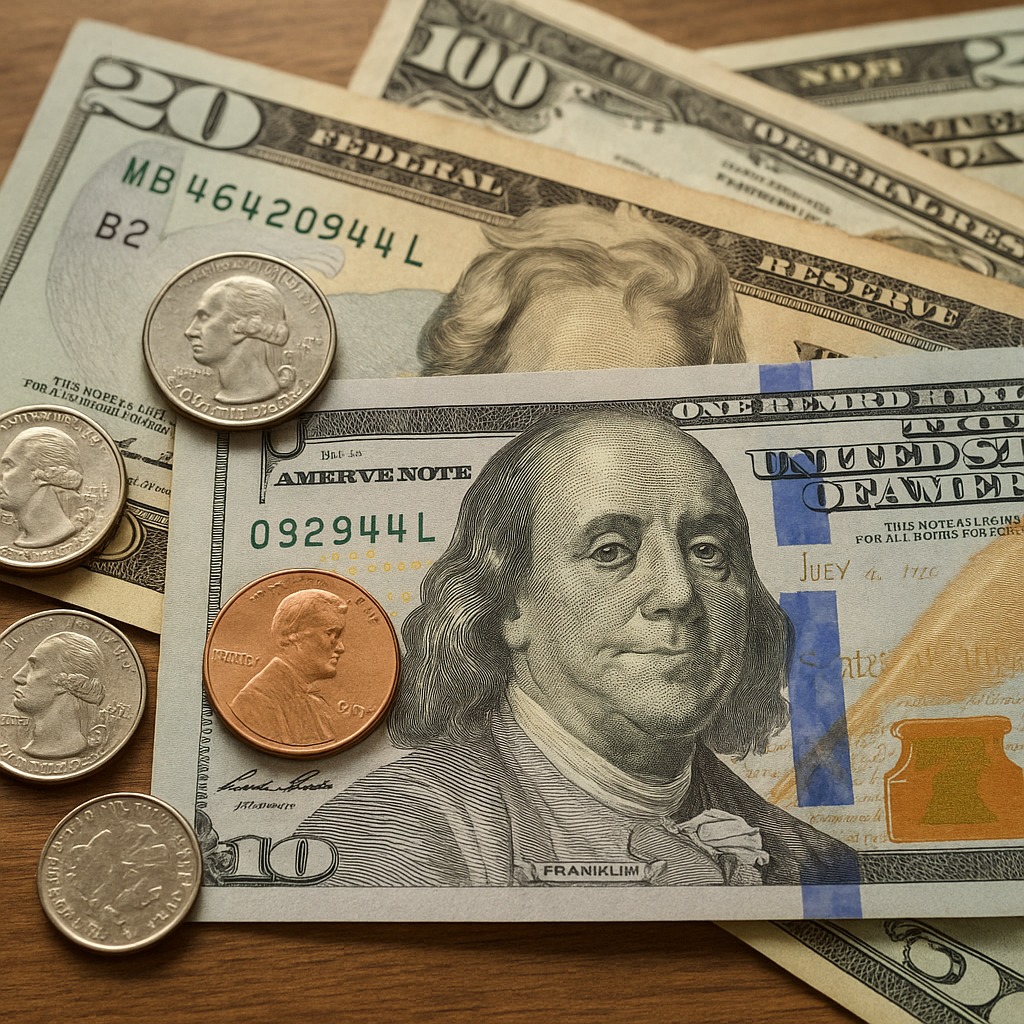
10 facts about money that changed my approach
I used to treat cash like a simple tool until I started mapping how value actually moves through modern economies. Over the last decade, the entire system shifted from physical wallets to invisible digital streams. If you are trying to figure out why prices jump, how inflation bites, or why saving feels impossible, you need a clearer picture of the mechanics. Below I break down the architecture, strip away the jargon, and share what actually works for regular guys like us.
interesting facts about finance you rarely hear in mainstream guides
Finance is not just spreadsheets and bank statements. It is the architecture of trust. When a currency stops being backed by metal and becomes a promise, the entire game changes. We moved from barter to coinage, then to fiat, and now to algorithmic ledgers. The transition took centuries, but the psychological shift happened fast. People stopped holding physical reserves and started trusting screens. That evolution explains why understanding liquidity and purchasing power matters more than ever. Most folks get tripped up by terms like compound interest or fiat currency. Compound interest simply means your earnings generate their own earnings over time. Fiat currency is government-issued money that holds value because the state enforces it, not because it is tied to gold. When you grasp these basics, the noise around market swings makes sense.
interesting facts about money that reveal hidden patterns
- The concept of interest dates back to ancient Mesopotamia, where farmers repaid loans in grain.
- Physical banknotes carry more bacteria than a public restroom handle, which is why contactless payments took off so fast in the EU.
- Central banks adjust money supply to control inflation, but the real impact always hits everyday spending first.
I noticed a clear pattern when I started reviewing my own spending logs accross three years. Small leaks drain accounts faster than one big expense. Tracking micro-transactions revealed that subscriptions and impulse buys quietly eat through budgets. The fix is not extreme budgeting, it is awareness. You can check official monetary policy updates on the Federal Reserve website to see how rate changes trickle down to loan costs. The data definately shows how household debt cycles repeat every few years, usually tied to employment shifts and credit availability.
10 interesting facts about money that shifted my strategy
| Concept | Historical Context | Modern Reality |
|---|---|---|
| Currency backing | Gold standard until 1971 | Fiat system driven by policy |
| Transaction speed | Days for cross-border clearing | Milliseconds via digital rails |
| Wealth storage | Physical vaults and deeds | Encrypted accounts and index funds |
Looking at the table, you can see how the mechanics evolved. The old system relied on physical scarcity. The new one runs on velocity and data. That does not mean traditional saving is dead, it just means the tools changed. I switched from hoarding cash to automating transfers into low-fee index trackers. The friction disappeared, and the growth became predictable. As 2026 rolls out, new digital payment frameworks and central bank pilots are accelerating this trend, making traditional banking feel almost archaic by comparison.
Money is a terrible master but an excellent servant. The moment you treat it like a tool instead of a goal, the stress drops.
important facts about money for building real stability
Stability comes from structure, not luck. Emergency funds should cover three to six months of baseline expenses, not luxury spending. Credit utilization stays healthiest below thirty percent of your limit. And diversification is not about picking random assets, it is about spreading risk across uncorrelated categories. I learned this the hard way after a market dip wiped out a concentrated position. Now I keep a simple split: liquid cash for immediate needs, broad market funds for long-term growth, and a small buffer for opportunistic buys.
If you want to dig deeper into how consumer credit works, the European Central Bank publishes clear breakdowns at ecb.europa.eu. The reports show how retail lending adapts to regulatory shifts and how households adjust their leverage. Understanding that rhythm helps you avoid panic selling or overleveraging when the headlines scream about a crash. You do not need a fancy degree to grasp the system. You just need consistency, a basic map of how value moves, and the discipline to ignore the noise.