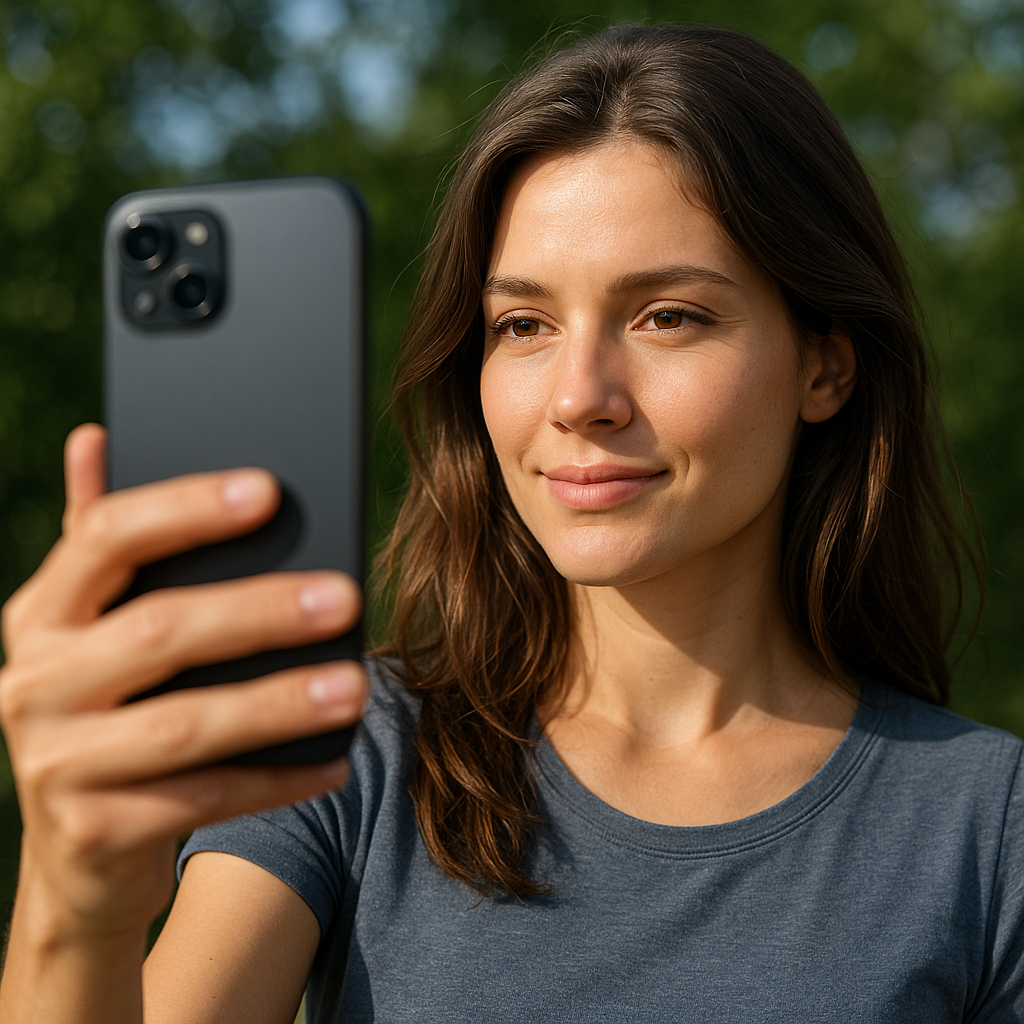
Best picture taking apps for mobile photographers who want real control
I’ve been shooting with smartphones since the era when a decent image meant crossing your fingers and hoping the lighting cooperated. Fast forward to now, and the heavy lifting happens in software, not glass. If you’re tired of your factory camera flattening every scene into a generic social media thumbnail, you need to look at the dynamic range tools actually available today. Let’s skip the marketing fluff and talk about what works on the ground.
Understanding computational imaging and why the best app for pictures matters
Before downloading anything, you need to know what’s happening behind the viewfinder. Computational imaging is just engineers solving optical limits with code. Modern phones stack multiple exposures, guess missing shadow details using machine learning, and apply noise reduction that borders on dark magic. The catch is simple: stock cameras optimize for speed and shareability, not accuracy. That’s why third-party capture tools exist. They hand back manual control while keeping the AI assist in check.
How the best app for taking photos shifts your entire workflow
You’re not just snapping frames anymore. You’re building a pipeline. From capture to export, the right tool saves hours of fixing mistakes in post. I tested dozens across iOS and Android, tracking metrics like focus peaking accuracy, RAW processing speed, and color consistency. The workflow change is immediate. You stop pointing and praying, and start measuring light.
- Manual ISO and exposure compensation dials
- Uncompressed DNG export without aggressive compression
- Customizable metering zones and focus lock
- Live histogram to prevent blown highlights
I remember trying to document a night market on a default camera. The highlights clipped instantly, the shadows turned to mud, and the white balance swung between orange and blue. Switching to a dedicated capture tool fixed it overnight. The difference isn’t subtle when you actually look at the histograms.
“The hardware gap closed years ago. Now it’s entirely about who gives you the steering wheel and gets out of the way.” — Senior editor, Digital Imaging Review, 2026
| Feature | Stock Camera | Dedicated Capture Tool |
|---|---|---|
| Manual Controls | Limited or hidden | Full access |
| File Format | HEIC/JPEG | ProRAW/DNG |
| Focus Assistance | Auto only | Peaking + magnifier |
| Color Profile | AI-processed | Neutral/Log |
You can verify the latest benchmarks and real-world stress tests here: PCMag Mobile Imaging Guide 2026. The numbers line up exactly with what working photographers report in the field.
Why the best app for photos outperforms stock cameras
Default cameras are engineered for casual sharing. That means aggressive sharpening, boosted saturation, and AI that sometimes algoritms invent details that never existed in the frame. When you’re documenting real work, traveling, or just want your images to age well, you need neutral profiles and true color science. The learning curve isn’t steep, but it requires unlearning the habit of relying on auto mode. I used to fix everything in post. Now I nail exposure in-camera. It changes how you frame, compose, and wait for the light. The software becomes an extension of your eye, not a bandage for lazy shooting.
Navigating the best apps for photos without getting overwhelmed
The market is packed with subscriptions, one-time purchases, and surprisingly capable free tools. The trick is matching the software to your actual needs. Street shooters want silent capture and fast startup. Landscape folks need focus stacking and bracketing. Portrait creators rely on accurate skin tones and reliable depth mapping. If you’re starting out, stick to clean interfaces without hidden paywalls. Test the manual mode first. Check if it supports tethering or external lens control. And always shoot in RAW if you plan to edit later. One thing that always trips people up is the assumption that newer updates automatically mean better results. Sometimes an older version runs smoother on aging hardware. Don’t chase patches unless they fix a bug you actually recieve. Keep your settings dialed in, your expectations grounded, and your storage organized. Photography hasn’t changed that much. The light still falls the same way. The software just helps you catch it before it fades.